 Concerts, festivals, film, and the culture around them.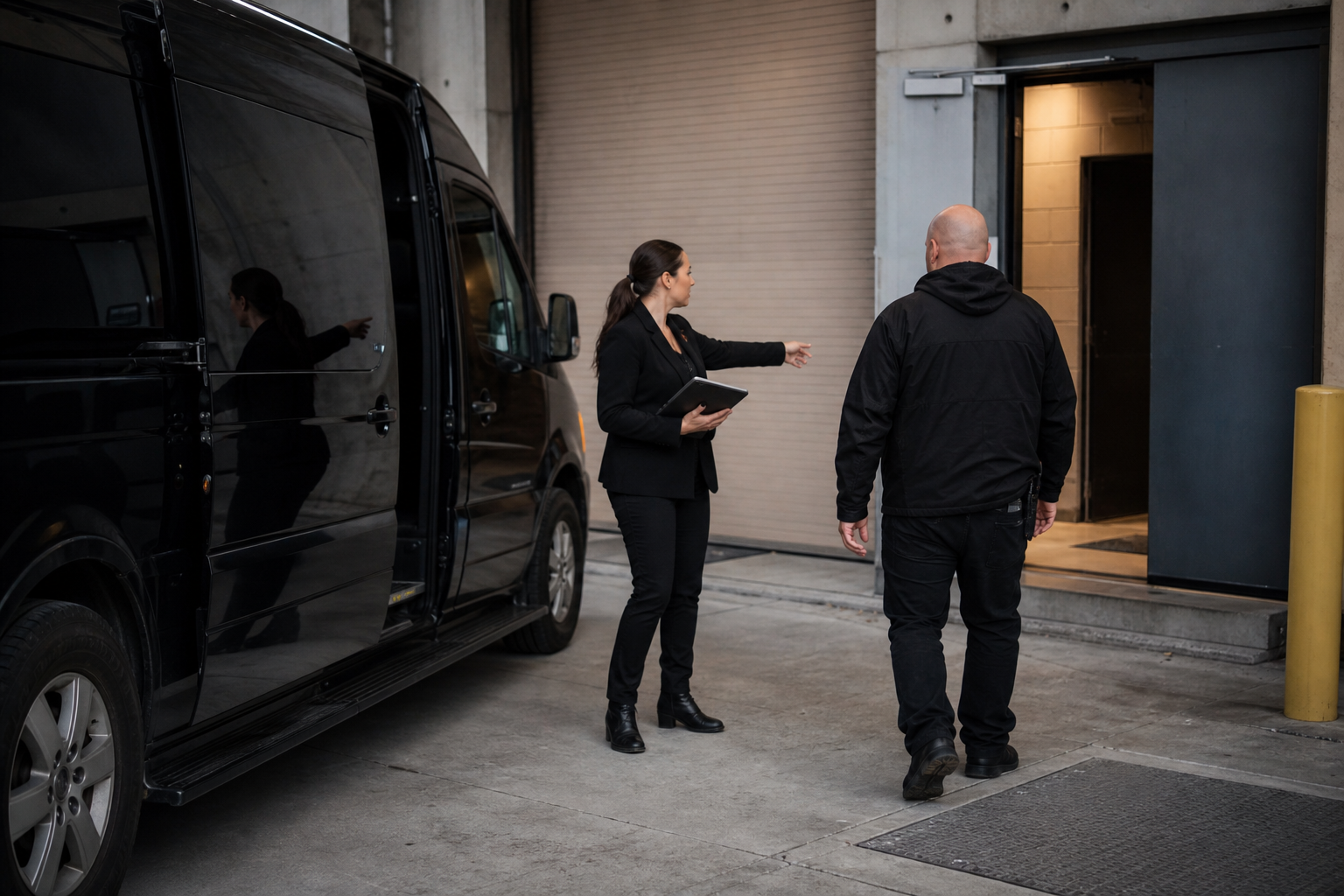
Artist protection is often imagined as the visible moment: a close protection professional beside a performer, a controlled backstage door, or a fast move from vehicle to entrance. Those moments matter, but they are late in the process.
The work begins when the team starts asking what the day will require. Who knows the arrival time? Who controls the route? Which backstage areas are shared? What information is public? What fan behavior is expected? Who has authority when a schedule changes?
Information is a protective layer
Many protective failures begin as information failures. Too many people know a movement time, credentials are loosely distributed, a social post reveals a location, or a vendor receives more detail than necessary.
A strong plan limits operational detail to people who need it and gives each person enough context to do their job. Secrecy alone is not the answer. Disciplined information sharing is.
The green room is not the beginning of protection. It is one checkpoint inside a longer movement plan.
Routes should be rehearsed mentally
Even when a team cannot physically rehearse every path, it can mentally rehearse the route. Where does the vehicle stop? What door is used? What happens if that door is blocked? Where is the nearest secure waiting area? Which elevator, hallway, or stairwell creates exposure?
The goal is to avoid asking route questions while the protected person is already moving.
Backstage culture can support or undermine protection
Backstage environments often mix hospitality, production pressure, social access, media, guests, and work crews. That mix can be productive, but it can also blur boundaries.
Protective teams need a backstage culture that respects credential limits, arrival timing, quiet zones, and privacy. A single open door can undo a thoughtful route.
Protection is coordination
Artist protection is not separate from venue operations. It depends on transportation, production, publicists, guest services, local security, venue management, and sometimes law enforcement or emergency services.
The strongest teams make that coordination look uneventful. They do not wait for the green room to start protecting the person. They build the conditions that make the green room routine.