 Concerts, festivals, film, and the culture around them.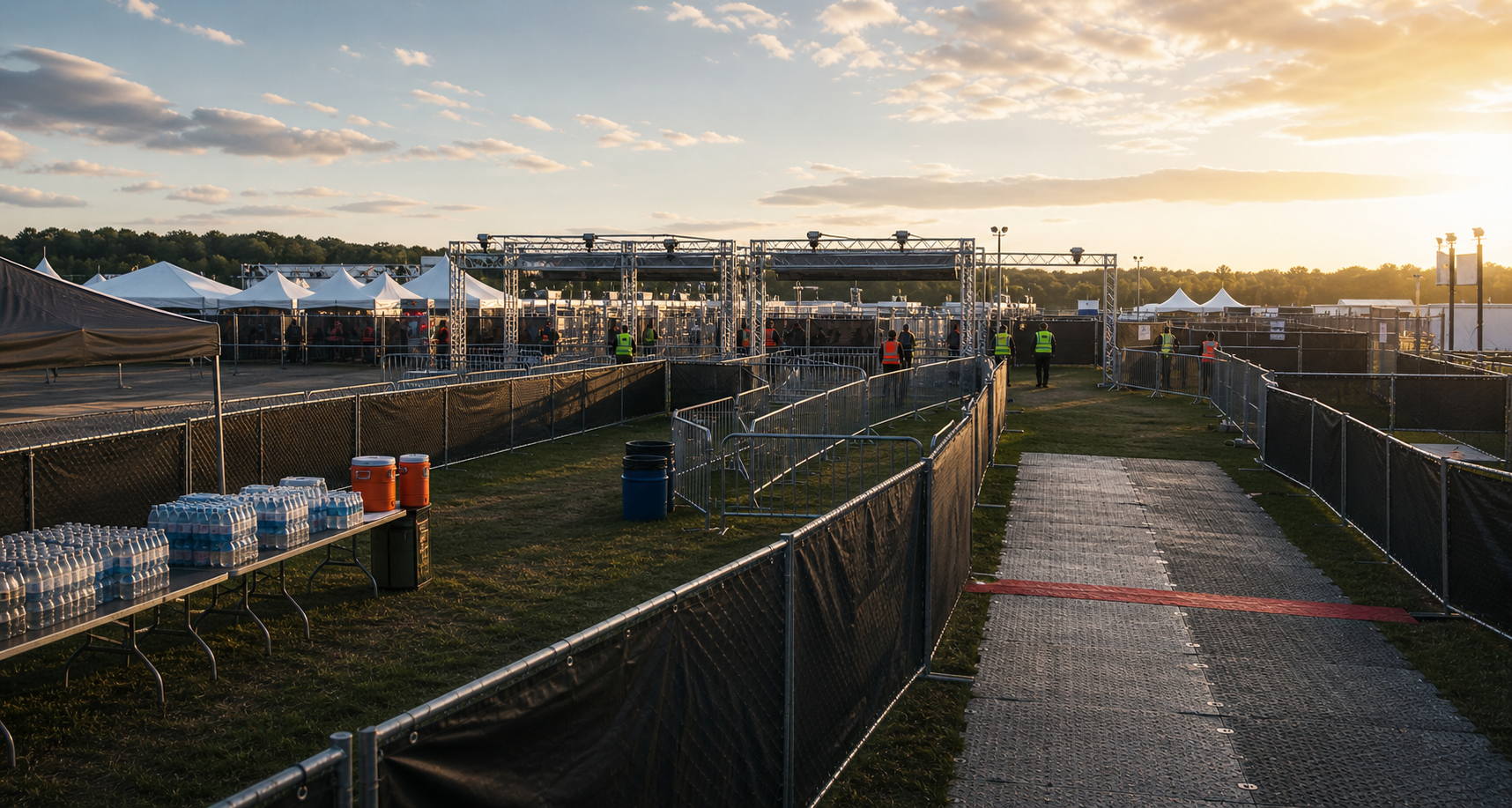
Access control is easy to underestimate because it often looks routine. Scan the ticket, check the bag, glance at the wristband, open the door. In reality, access control is one of the few systems that touches nearly every stakeholder at a live event.
Fans experience it as entry speed and fairness. Production experiences it as backstage order. Security experiences it as boundary management. Finance experiences it as revenue protection. Publicists and artist teams experience it as reputation risk when the wrong person reaches the wrong area.
The front door shapes the night
A slow or confusing entry process can create pressure before the show begins. Lines build, tempers rise, staff become reactive, and fans who followed the rules may feel punished by unclear instructions. Once that mood enters the building, it can follow the event.
Good access control starts outside the scanner. It includes pre-arrival messaging, bag policy clarity, queue design, staff placement, and visible recovery options for common problems.
Access control is not only about keeping people out. It is about helping the right people move through the right places at the right time.
Backstage access is a different problem
The same principles apply backstage, but the stakes change. A backstage credential should be specific to time, place, and purpose. All-access culture can be convenient, but convenience is rarely the strongest control.
Artist teams, vendors, venue staff, VIP guests, media, production workers, and security all have legitimate reasons to move. The challenge is not to freeze the event. It is to make movement accountable.
Technology helps only when policy is clear
Mobile tickets, turnstiles, scanners, RFID wristbands, and credential platforms can reduce friction. They can also create new failure points if staff do not know what to do when a device fails, a battery dies, a guest has the wrong pass, or a VIP arrives through the wrong door.
The operational question is simple: what happens next? If the answer depends on finding one manager, the system is not ready for volume.
Audit the exceptions
Every access-control system has exceptions. The credibility of the system depends on how those exceptions are handled. Comp lists, media arrivals, ADA accommodations, vendor replacements, parent-child issues, and artist guests should be planned before doors open.
A venue that audits exceptions learns where its real risk lives. The most important access-control story is often not the rule. It is the workaround.