 Concerts, festivals, film, and the culture around them.
A red carpet arrival looks effortless when it is working. Talent steps out, cameras find their angles, publicists move conversations along, security remains close without crowding the image, and the guest disappears into the venue before the moment frays. That ease is not accidental.
The arrival is one of the most compressed risk points in entertainment operations. It concentrates identity, movement, public visibility, media pressure, fan emotion, vehicles, credentials, timing, and competing priorities into a narrow space.
Advance work sets the tempo
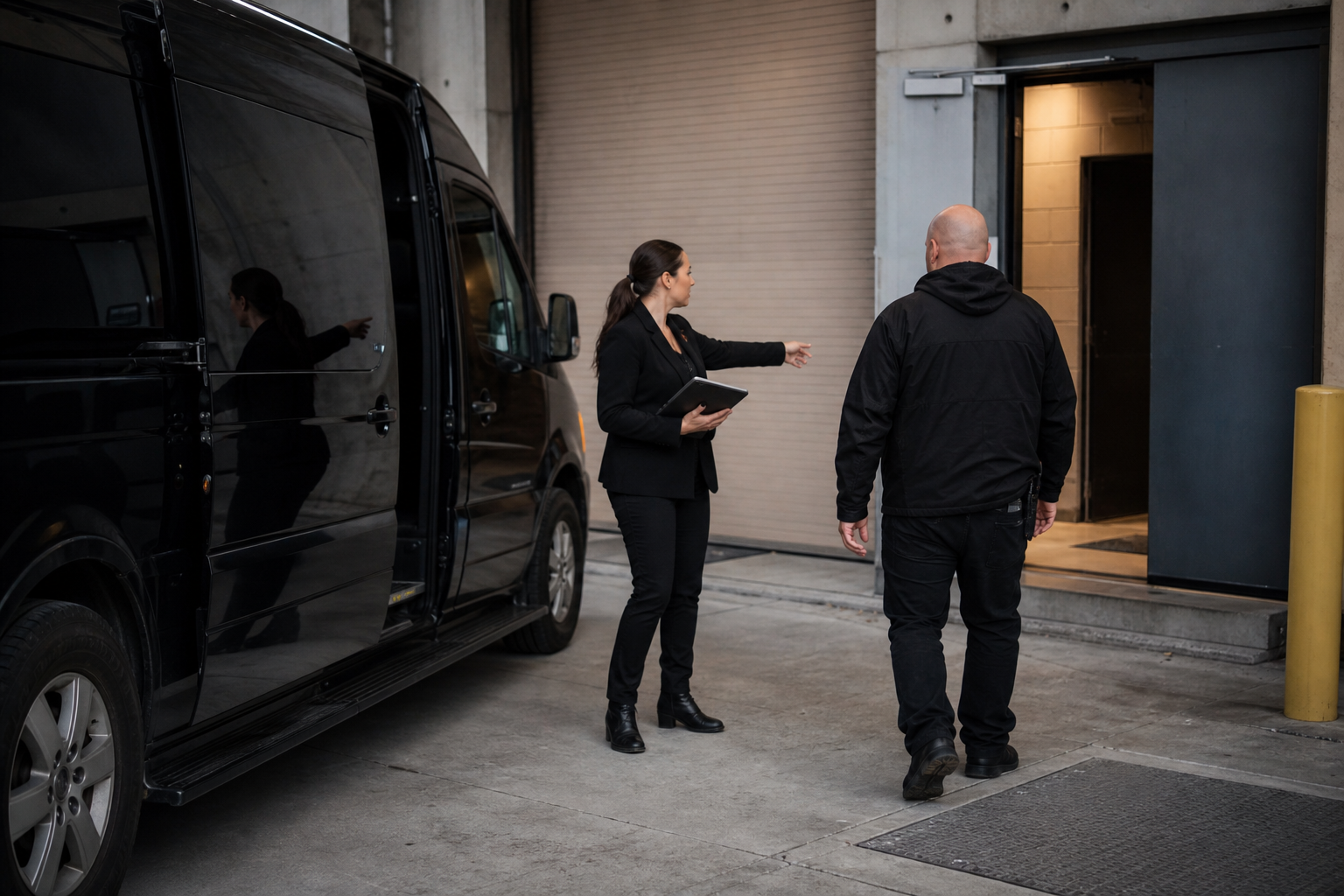
Before the first vehicle arrives, an effective team has already asked practical questions: Who needs access to the curb? Where does the vehicle stop? What happens if the route backs up? Who can open a door? Which credentials permit which zones? What is the fallback path if the planned entrance becomes unusable?
Advance work does not eliminate uncertainty, but it narrows the number of people making improvised decisions in public. That is the difference between a managed exception and a visible scramble.
The public sees a smooth arrival. The operation sees a sequence of controlled decisions that prevent surprise from becoming exposure.
Credentialing is a protective system
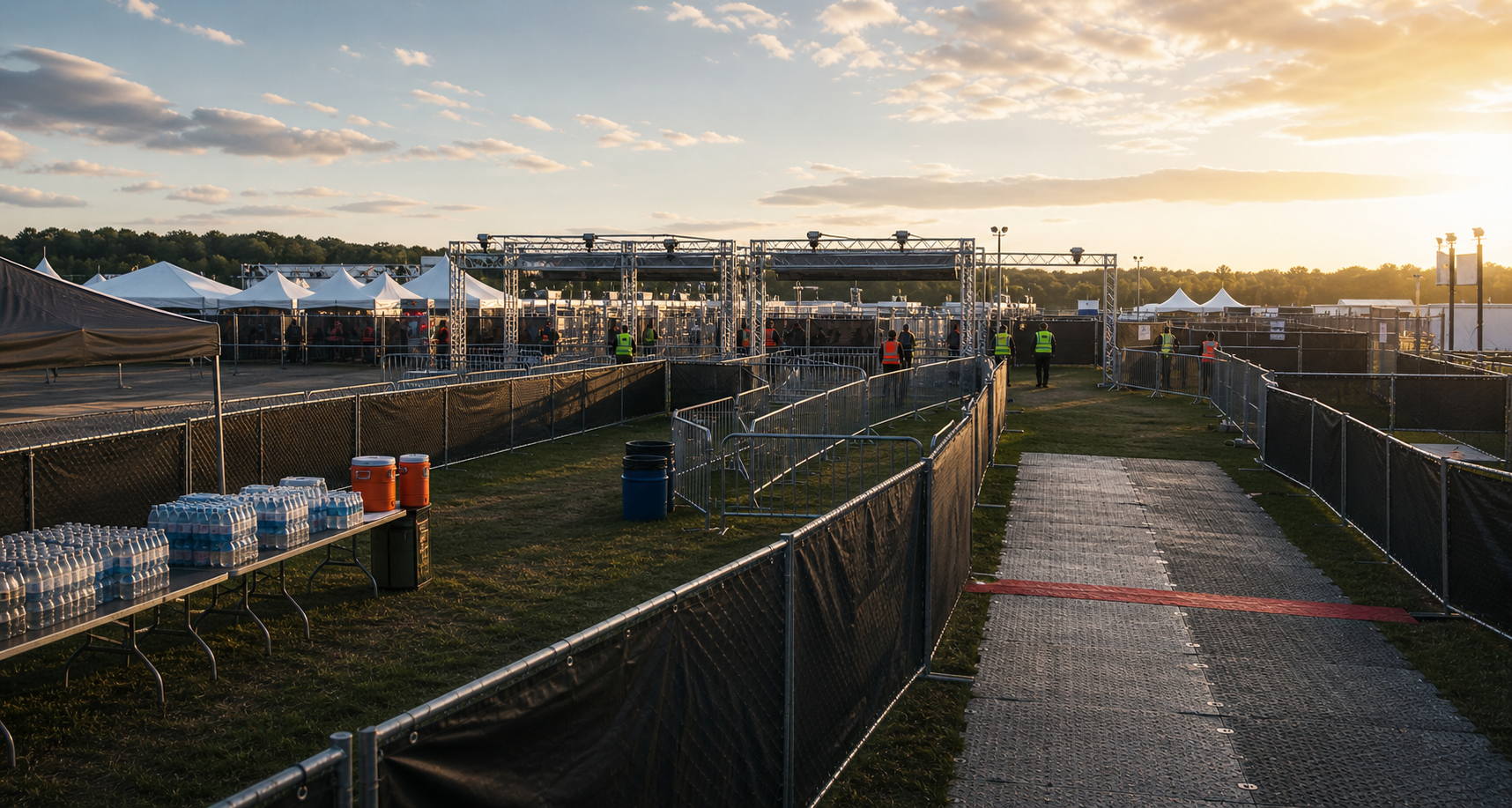
Credentials are often treated as an administrative detail. At a high-profile arrival, they are a security control. A badge, wristband, list, or mobile pass should answer a simple question at speed: does this person belong in this zone right now?
The more exceptions a team allows, the more the system depends on memory and personality. A credible credential plan is simple enough for staff to enforce consistently and specific enough to prevent backstage drift.
Public visibility changes the risk math
The protective problem is not only physical contact. It is delay, crowding, confusion, reputation harm, unwanted disclosure, and the operational cost of losing control of the timeline. A two-minute stall can create more exposure than the team planned for.
That is why arrival routes should be judged by how well they preserve motion. A good route gives the protected person options without making those options obvious to the crowd.
Security should support the moment
The best arrival teams understand the event's purpose. They protect the person while letting the public moment happen. That requires coordination with publicists, photographers, venue staff, transportation, production, and the host organization.
If security overpowers the arrival, it can damage the very moment it is meant to protect. If it disappears, it leaves the person and the event exposed. The craft sits between those extremes.