 Concerts, festivals, film, and the culture around them.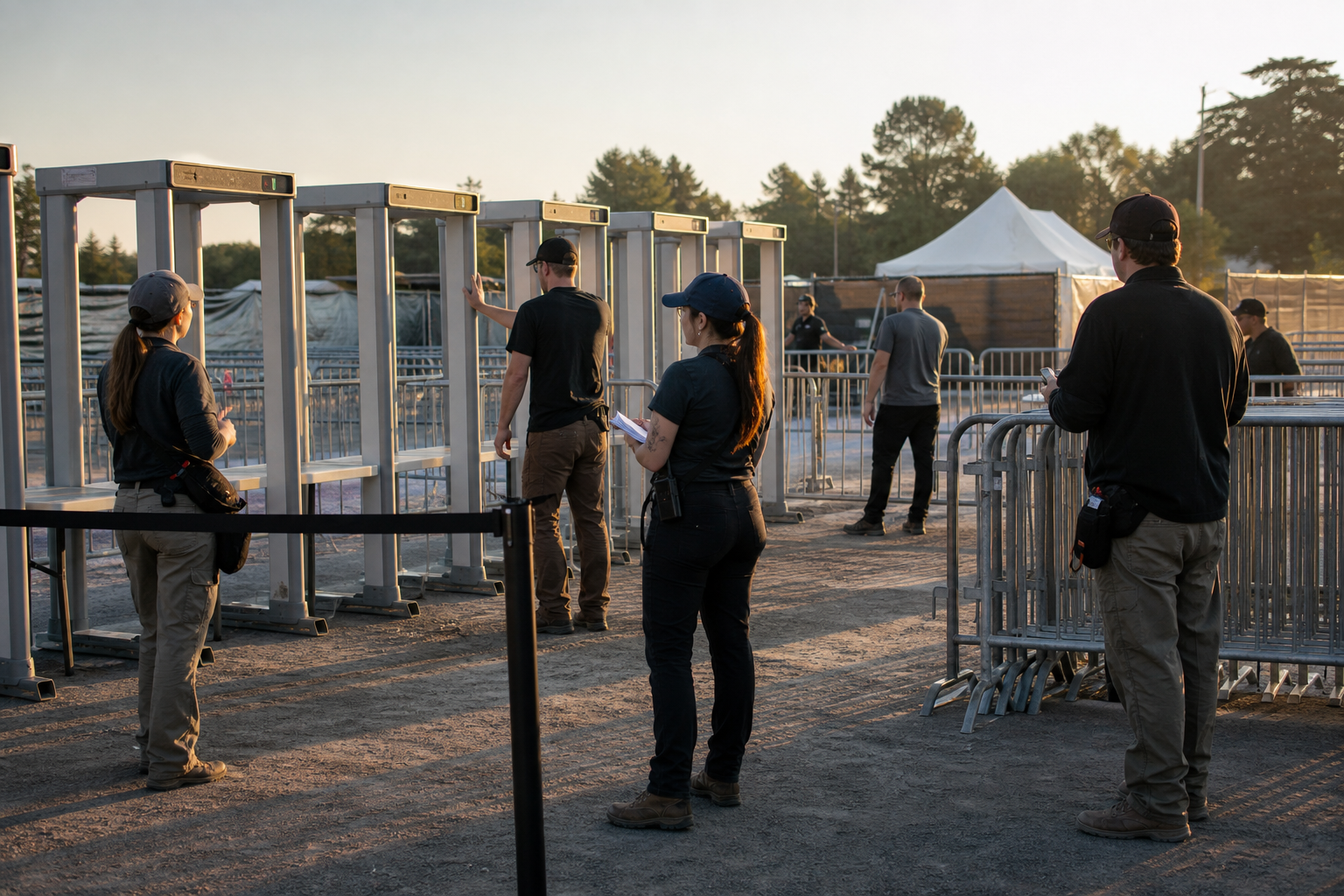
Some events arrive with emotion already attached. A farewell show, a reunion tour, a championship watch party, a memorial performance, a youth-heavy fandom event, or a long-delayed concert can bring fans who are deeply invested before they step through security.
That investment is part of live entertainment's value. The operational question is how to welcome it without letting it overwhelm entry, seating, concessions, merchandise, medical support, or egress.
Plan for early arrivals
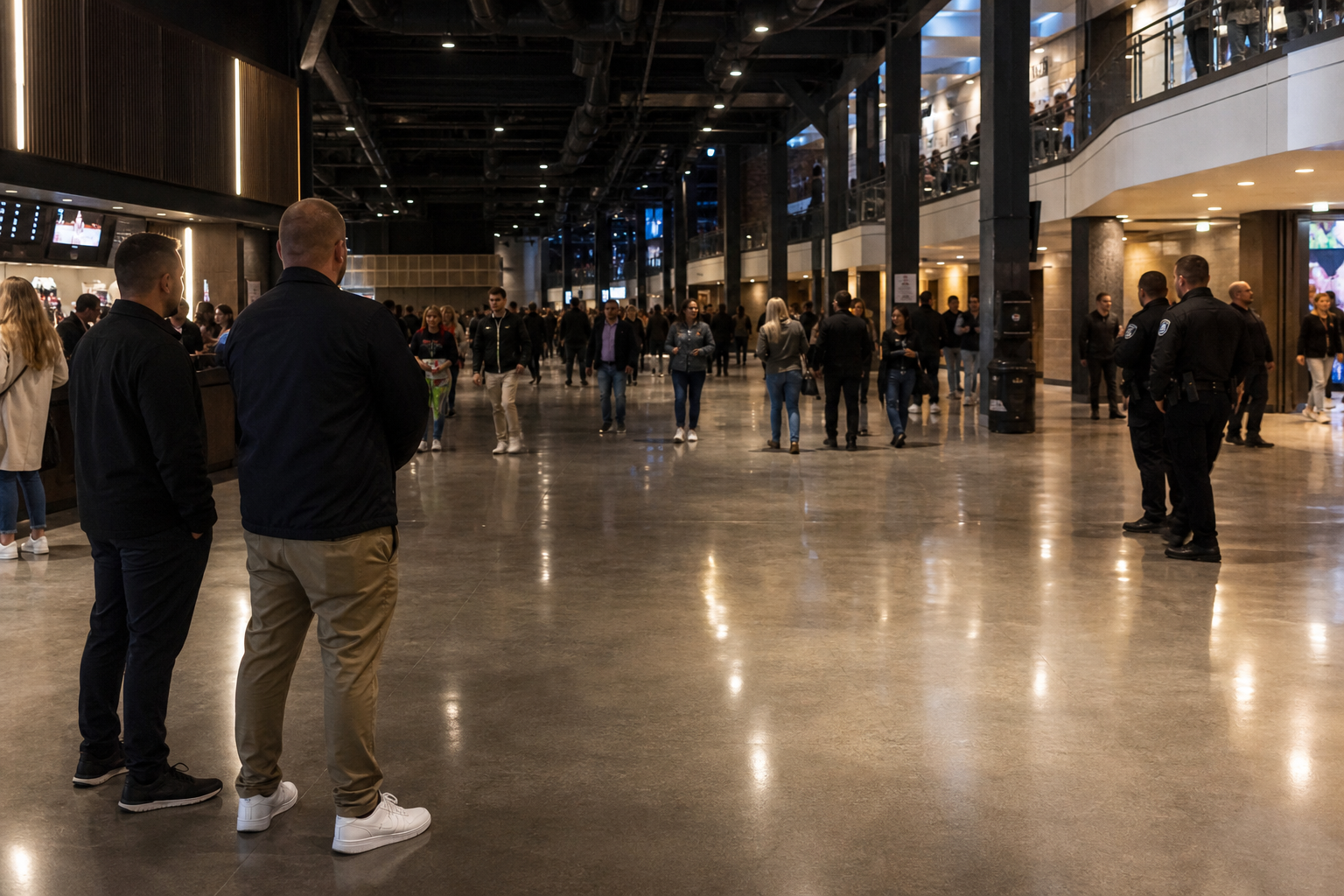
High-emotion audiences often arrive early. Fans may line up before the venue is staffed for volume, cluster near artist entrances, or create unofficial queues that become hard to unwind. The safest solution is not always more enforcement. It may be earlier communication, marked waiting areas, water access, and staff who can explain the plan.
Pre-door operations matter because fans form expectations before screening begins. If early arrivals feel ignored, the official process starts at a disadvantage.
High emotion becomes safer when the venue treats it as predictable energy, not as misbehavior waiting to happen.
Use empathy as a control measure
Empathy is not softness. It is a practical way to reduce resistance. Staff who can explain why a line is moving, where a parent should wait, how merchandise will be handled, or what to do after a phone issue can prevent small frustrations from becoming confrontations.
The best briefing for staff includes likely fan behaviors, not just prohibited items. Teams should know what excitement looks like for that audience and when excitement becomes a safety concern.
Protect medical and respite capacity
Emotion can produce physical effects: dehydration, panic, fainting, crowd pressure, missed medication, or exhaustion from waiting outside. A venue should make medical support easy to find without forcing guests to navigate a maze at the moment they need help.
Quiet spaces, water availability, clearly briefed ushers, and fast radio escalation can keep a personal issue from becoming a crowd issue.
Exit strategy starts before the encore
The emotional peak does not end when the show ends. Fans may rush merchandise, linger for possible artist sightings, split from friends, or push toward transit. Egress planning should account for the same intensity that shaped entry.
A venue that plans the emotional arc of the night can protect the fan experience while still maintaining control. That is the standard high-emotion events deserve.