 Concerts, festivals, film, and the culture around them.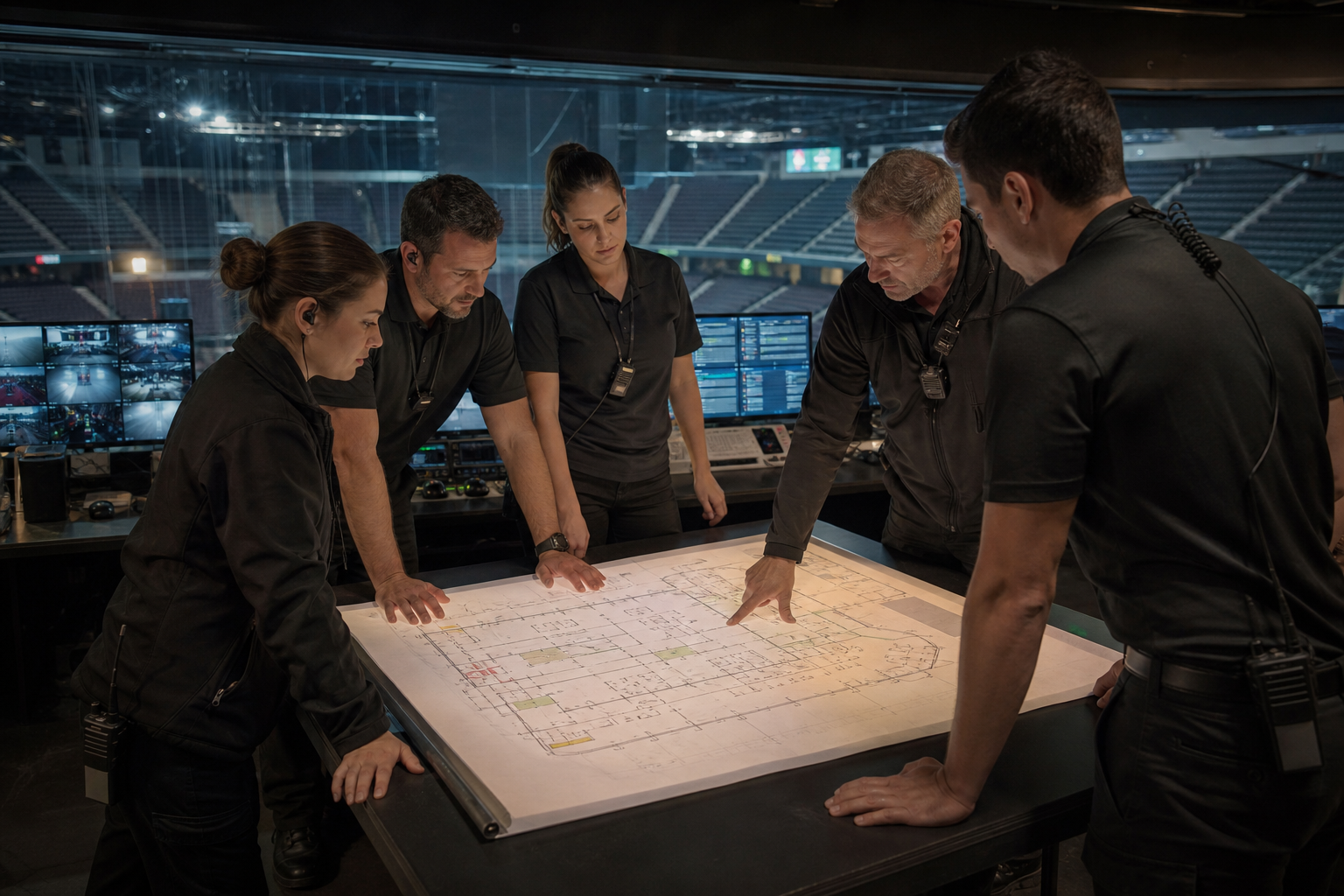
Emergency plans are often discussed as documents for rare moments. At live events, the quality of that planning also shapes the ordinary guest experience. Clear exits, trained staff, accessible medical support, strong communications, and clean command roles make routine operations better.
The same design choices that help a venue respond to disruption also help it manage confusion, crowding, illness, weather, lost guests, and sudden schedule changes.
Exits are part of hospitality
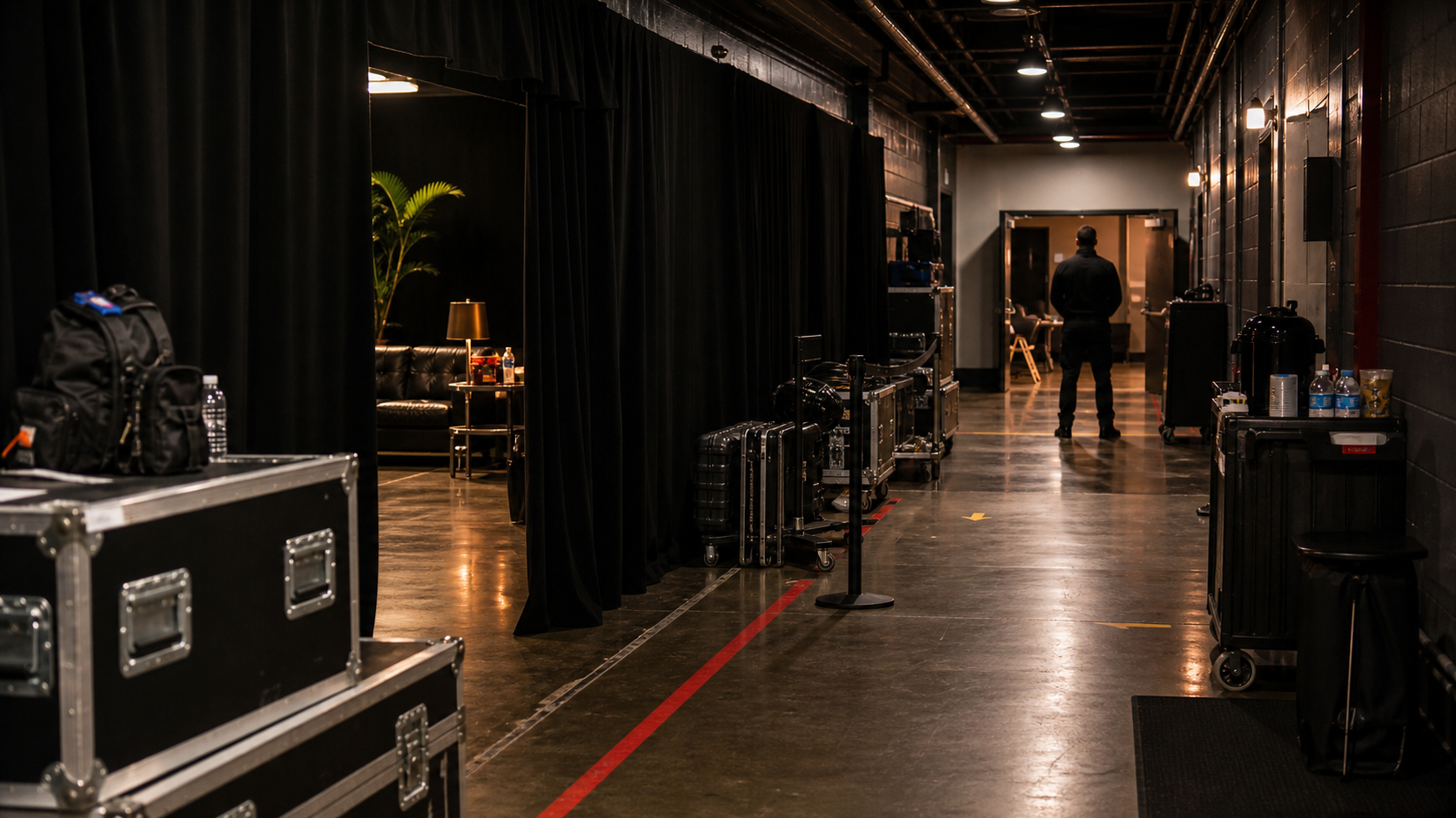
Guests notice when exits are blocked, hidden, poorly lit, or treated as staff-only mysteries. A venue that makes exit paths legible communicates competence even when nothing is wrong.
The goal is not to make the room feel like an evacuation drill. The goal is to remove unnecessary uncertainty.
Emergency planning should improve the normal guest journey, not sit apart from it.
Medical visibility reduces fear
When a guest needs help, finding help should not require insider knowledge. Medical locations, roaming teams, and staff escalation pathways should be designed for real human behavior under stress.
A medical plan that guests can access quickly is also good customer experience. It tells people the venue has considered their well-being, not only their ticket.
Communication must be ready before pressure
Emergency communication should be drafted, assigned, and rehearsed before the event. Who speaks? Through which channels? In what tone? How does the venue update guests if information changes?
During a disruption, vague language can create more anxiety than silence. Specific, calm, and timely communication is a safety tool.
Preparedness shows up as calm
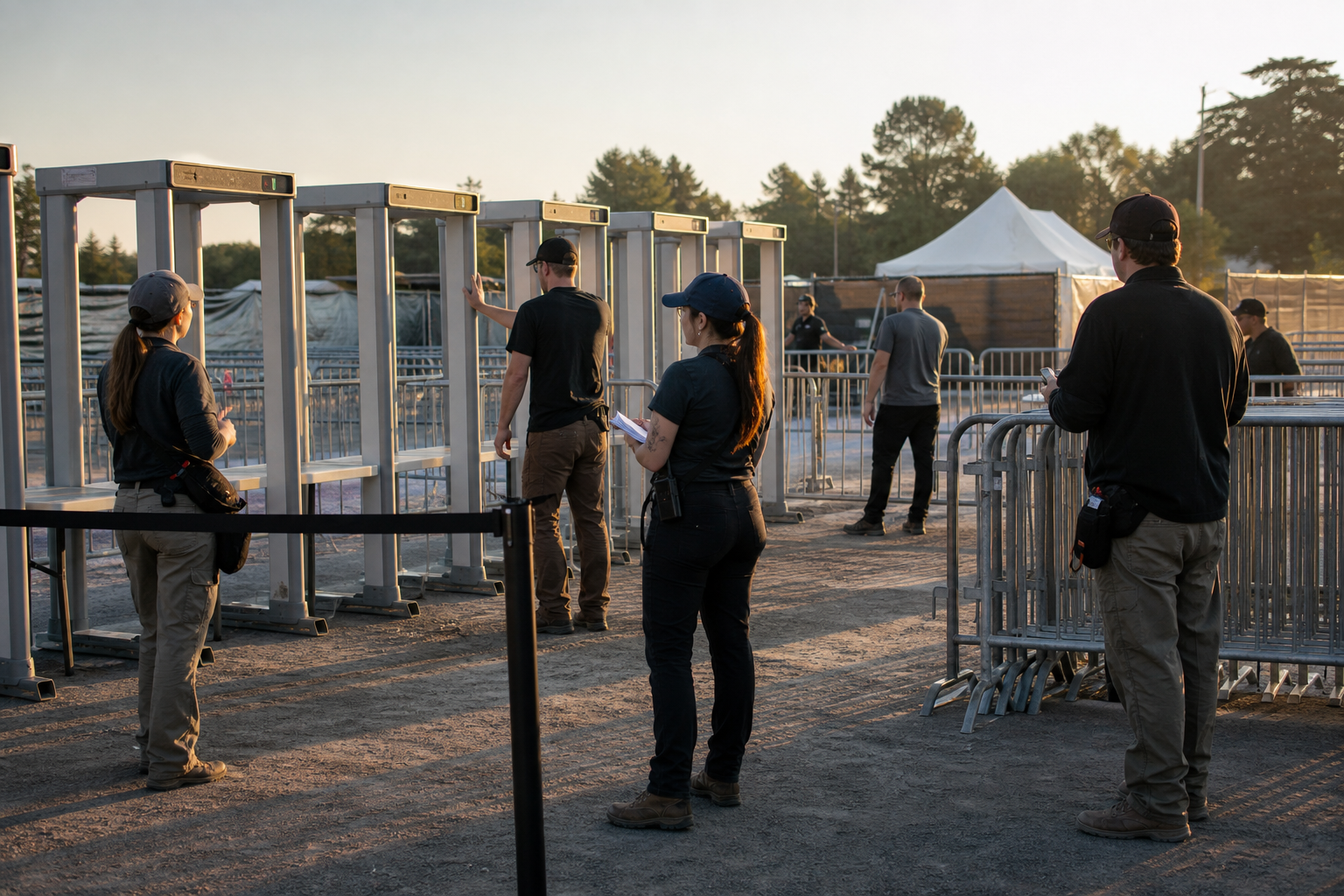
Guests may never know that staff briefed a weather plan, checked egress paths, tested radios, or reviewed medical handoffs. They will feel the result when the event runs with less visible strain.
Emergency planning is not separate from fan experience. It is one reason a fan can relax enough to enjoy the show.