 Concerts, festivals, film, and the culture around them.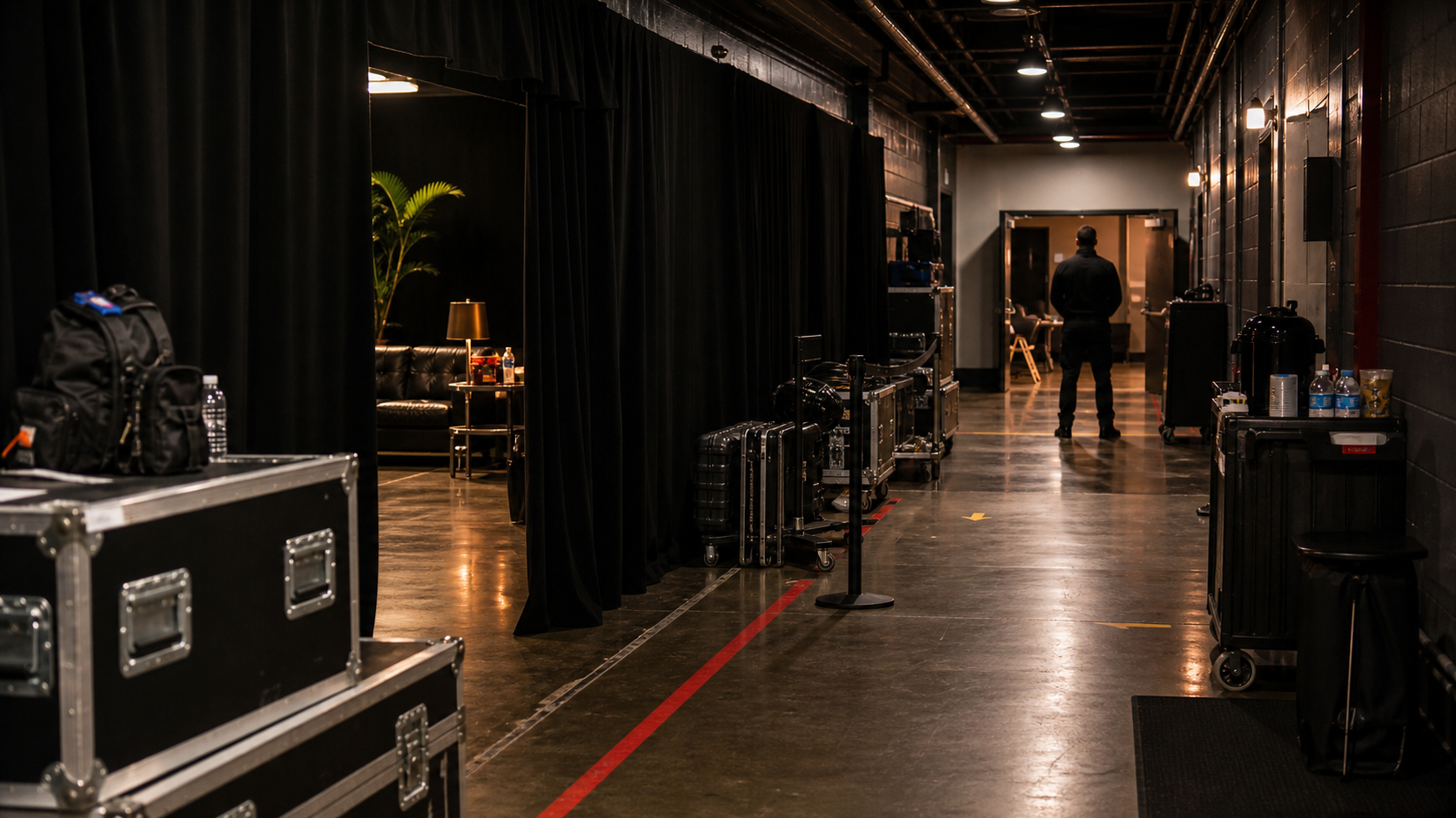
Festival risk is spatial. The site is large, temporary, weather-exposed, vendor-heavy, and emotionally dynamic. A plan that looks complete in a document can fail when it meets mud, heat, radio dead spots, delayed rideshare, or a crowd that moves differently than expected.
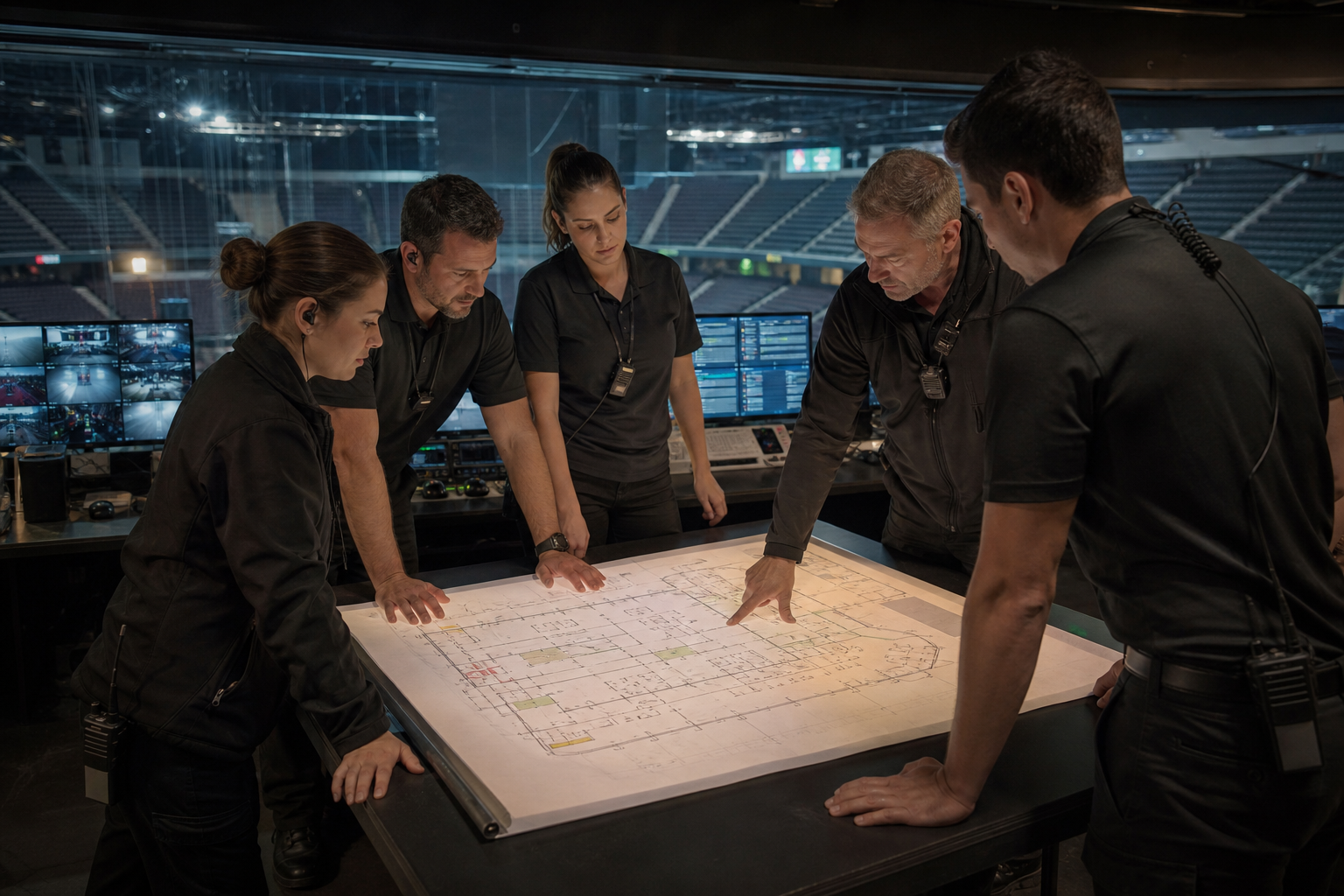
Before gates open, organizers should audit the event as a set of paths. How does a fan enter? How does a medic reach a guest? How does an artist move? How does a vendor restock? How does a parent find a child? How does the crowd leave when the headliner ends?
Start with ingress
Ingress is where the festival makes its first operational promise. Ticketing, search, credentialing, water policy, prohibited items, ADA access, will-call, and guest services all collide near the gate.
An audit should look for predictable compression points: narrow lane transitions, unclear bag rules, staff without shade, conflicting signage, poor lighting for evening entry, and exception tables that block normal flow.
A pre-gate audit should test movement, not paperwork alone.
Protect emergency movement
Emergency access paths need more than a map label. They need physical protection from parked vehicles, vendor overflow, production storage, crowd drift, and informal staff shortcuts. If a route is critical, it should look critical on the ground.
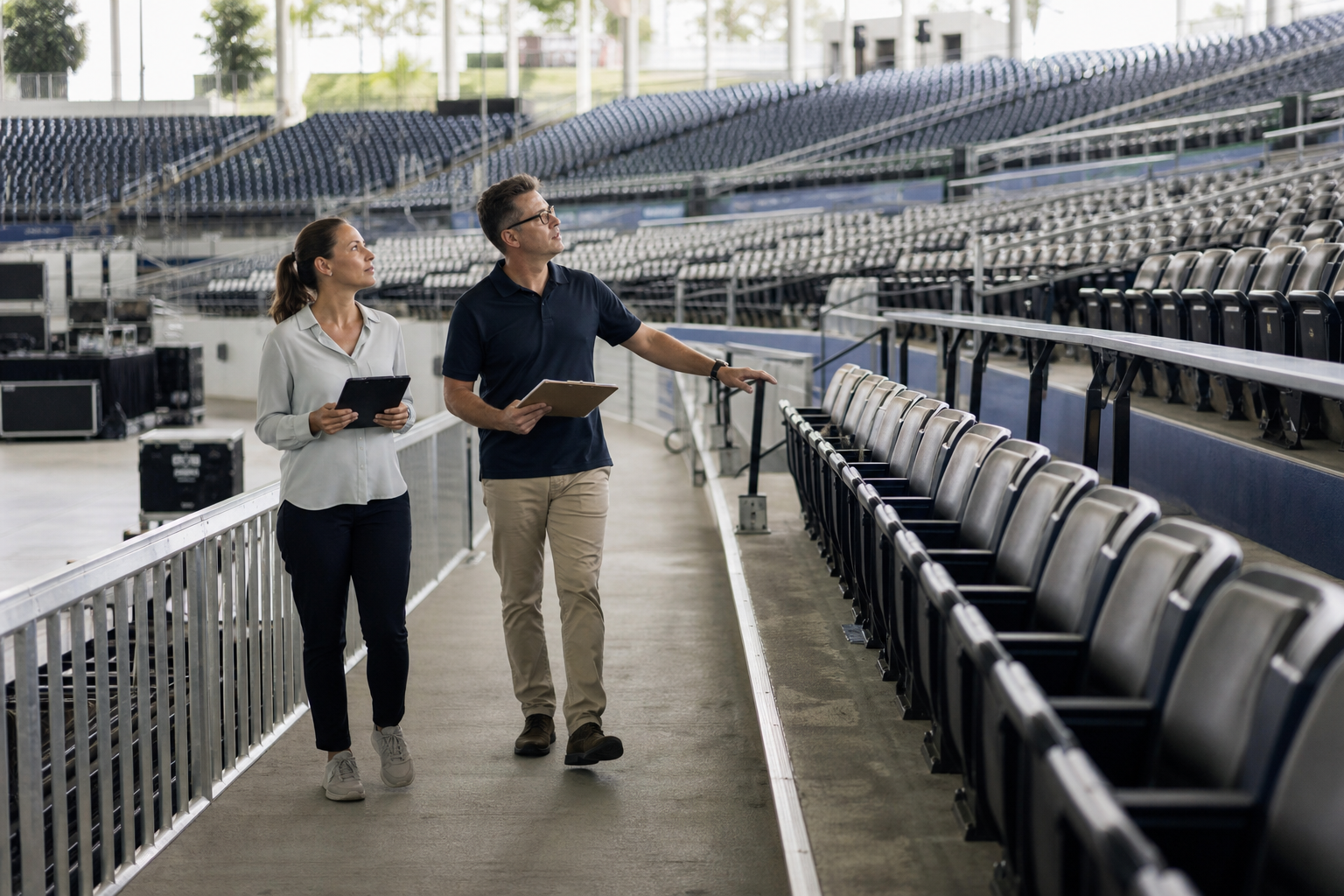
Festival teams should walk those routes at different times of day and ask what would stop movement under pressure. The answer may be mundane: a catering truck, a fence panel, a merchandise line, or a habit no one noticed.
Audit the weather posture
Weather planning is not only a decision tree for evacuation. It is also shade, hydration, ground conditions, drainage, communications, shelter messaging, transport coordination, and staff endurance.
A good audit asks what guests will understand before conditions change. If the first clear instruction arrives after the sky turns, the venue has surrendered valuable time.
Finish with egress
Festival egress is often the hardest movement problem of the day. Multiple stages empty, rideshare demand spikes, campsites pull people in different directions, and exhausted guests make slower decisions.
Before gates open, organizers should test the end of the night. A festival that only plans the arrival has planned half the event.