 Concerts, festivals, film, and the culture around them.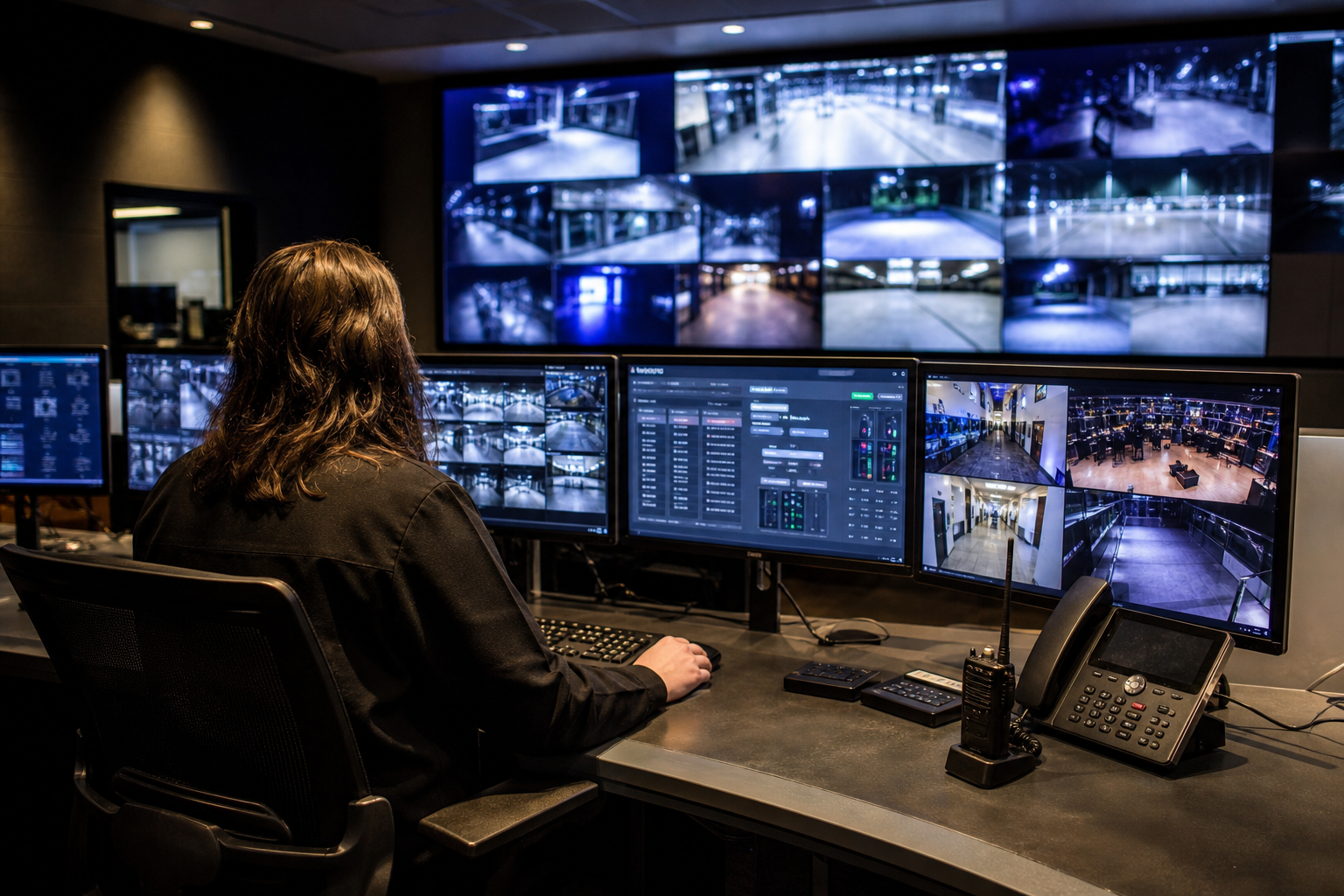
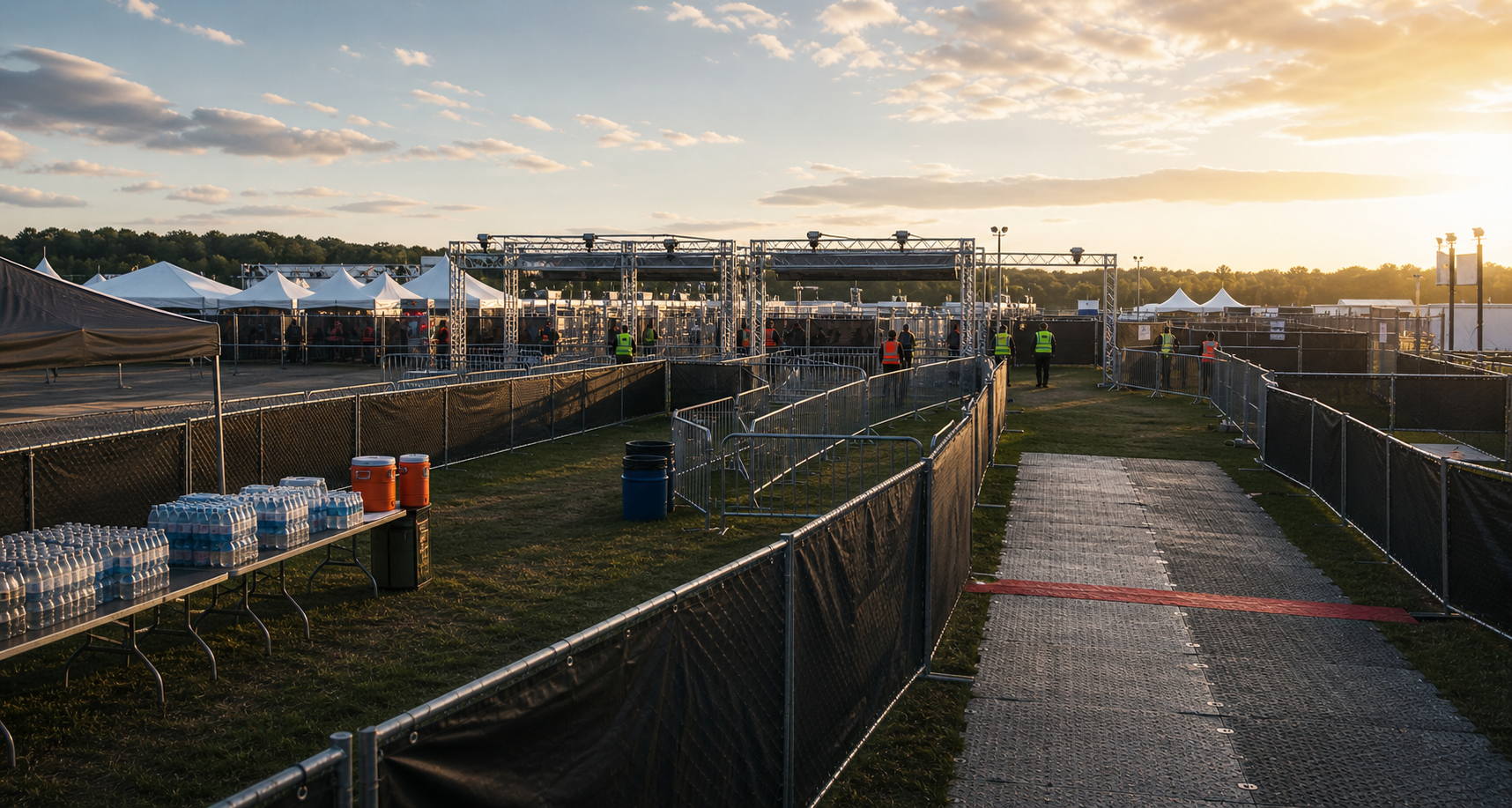
Entertainment venues are adopting more security technology because the operating environment is more complex. Mobile tickets, digital credentials, weapons detection, camera systems, incident platforms, and communications tools promise faster decisions and smoother movement.
The promise is real, but it is not automatic. Technology can reduce friction, reveal patterns, and support staff. It can also create brittle workflows when the human operation has not been designed around it.
Speed should not be the only metric
A faster lane is valuable only if it remains fair, accurate, and recoverable. If a screening tool moves guests quickly but staff do not understand alerts, exceptions, or fallback procedures, speed becomes a surface-level win.
Venues should measure technology by outcomes: reduced confusion, faster escalation, fewer unmanaged exceptions, better post-event review, and a guest experience that remains respectful.
A technology layer is only as strong as the operational decision it supports.
Data needs governance
Security technology often collects or processes sensitive operational information. Even when a tool is lawful and useful, venues need clear rules for access, retention, review, and accountability.
Trust is part of safety. Fans and staff deserve systems that are used for defined purposes, managed carefully, and not expanded casually because the data happens to exist.
Training decides adoption
A tool that makes sense in a sales demo can fail under event pressure if frontline teams are undertrained. Staff need to know what normal operation looks like, what exceptions look like, and who owns the next step.
The best technology rollouts treat training as product implementation, not an afterthought.
Use technology to make judgment better
Security technology should help people make better decisions sooner. It should not become a substitute for situational awareness, hospitality, de-escalation, or command judgment.
The future of venue security will likely be more technical. The venues that benefit most will be the ones that keep the operational question in front: what decision does this help us make?