 Concerts, festivals, film, and the culture around them.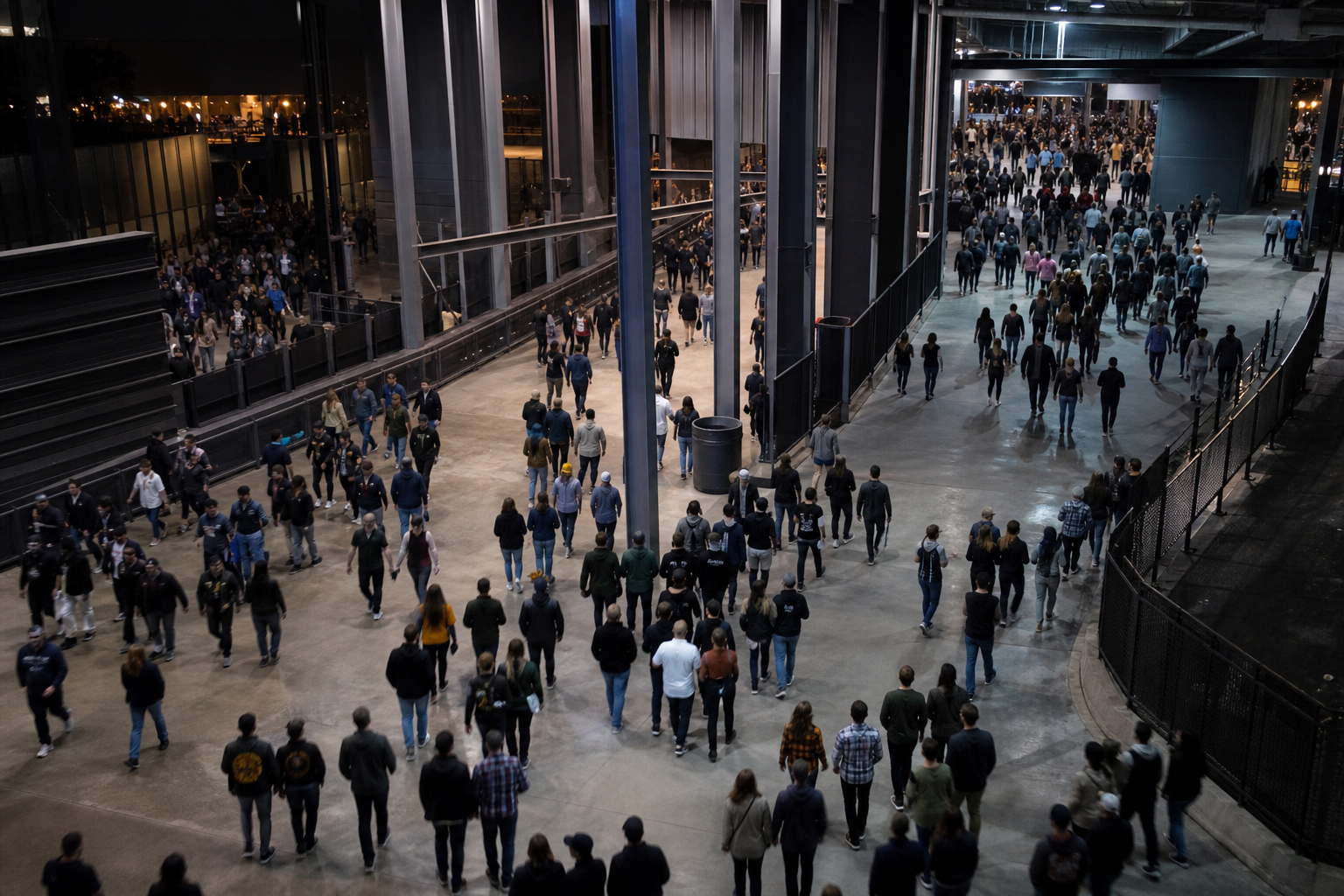
Live events are useful laboratories for business operations because the feedback is immediate. If a line is confusing, people bunch. If a sign is unclear, they ask staff. If the reward is obvious, they wait. If the process feels unfair, they resist.
Businesses far outside entertainment can learn from that dynamic. Retail stores, campuses, corporate lobbies, restaurants, houses of worship, conferences, and public-facing offices all manage human movement.
People follow visible confidence
At an event, guests move more calmly when they can see the next step. The same principle applies to any physical business environment. A visitor should know where to enter, where to wait, who can help, and what will happen next.
Confusion creates operational tax. Staff spend time answering avoidable questions, customers grow frustrated, and small bottlenecks begin to look like demand problems.
Crowd flow is not only an event problem. It is a business design problem.
Bottlenecks reveal policy gaps
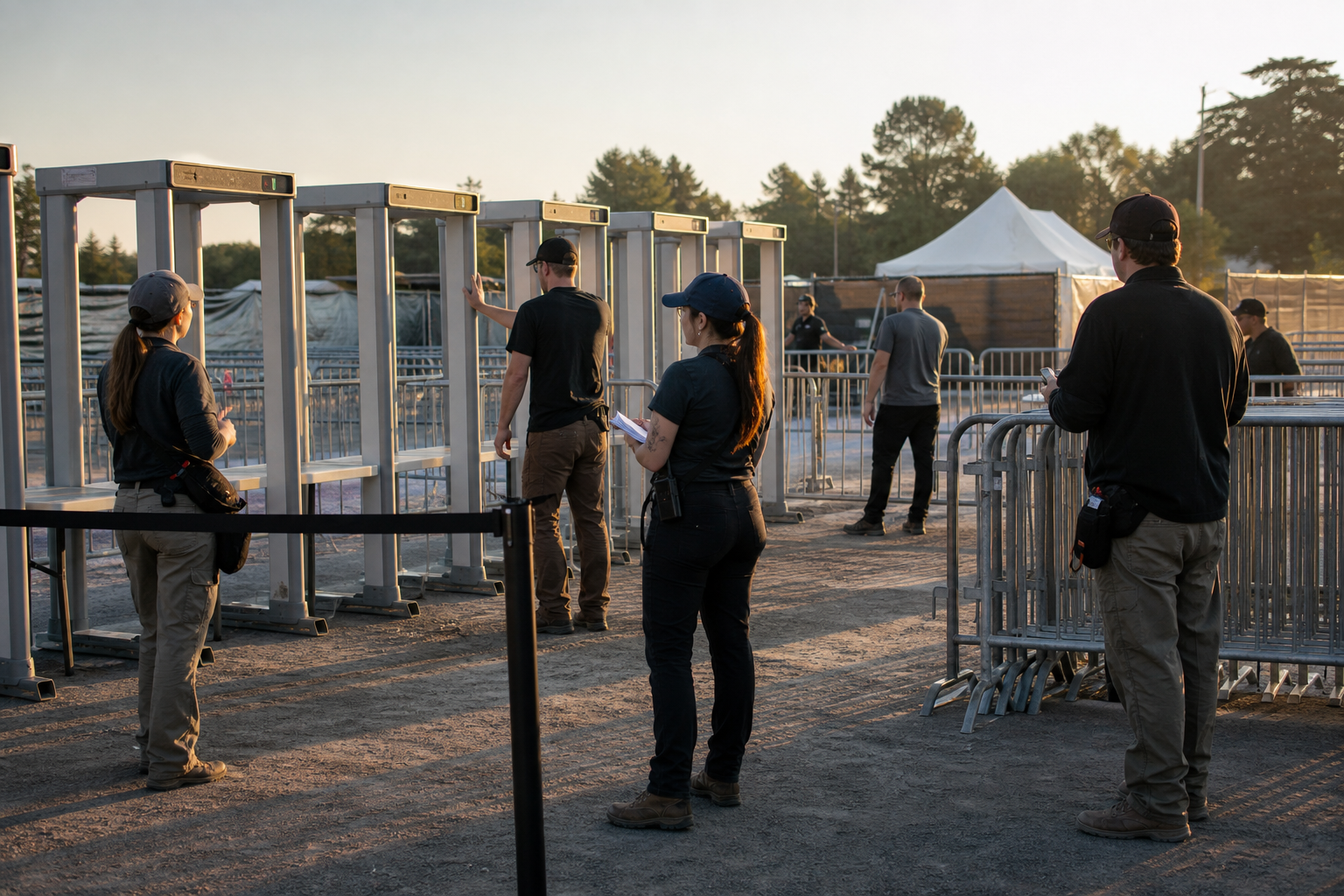
A bottleneck is often blamed on space, but the cause may be policy. A single approval step, an unclear exception, a manual check, or a poorly timed handoff can slow movement more than the size of the doorway.
Live event teams learn to inspect the policy behind the queue. Businesses should do the same.
Emotion changes flow
People do not move like diagrams when they are excited, anxious, late, confused, embarrassed, or angry. Event operators know that emotional context changes how guests perceive a wait or respond to staff.
Businesses that design for emotion can reduce conflict. That might mean clearer pre-arrival instructions, more visible help points, better exception paths, or spaces where a person can step out of the main flow.
Review the path from the user's point of view
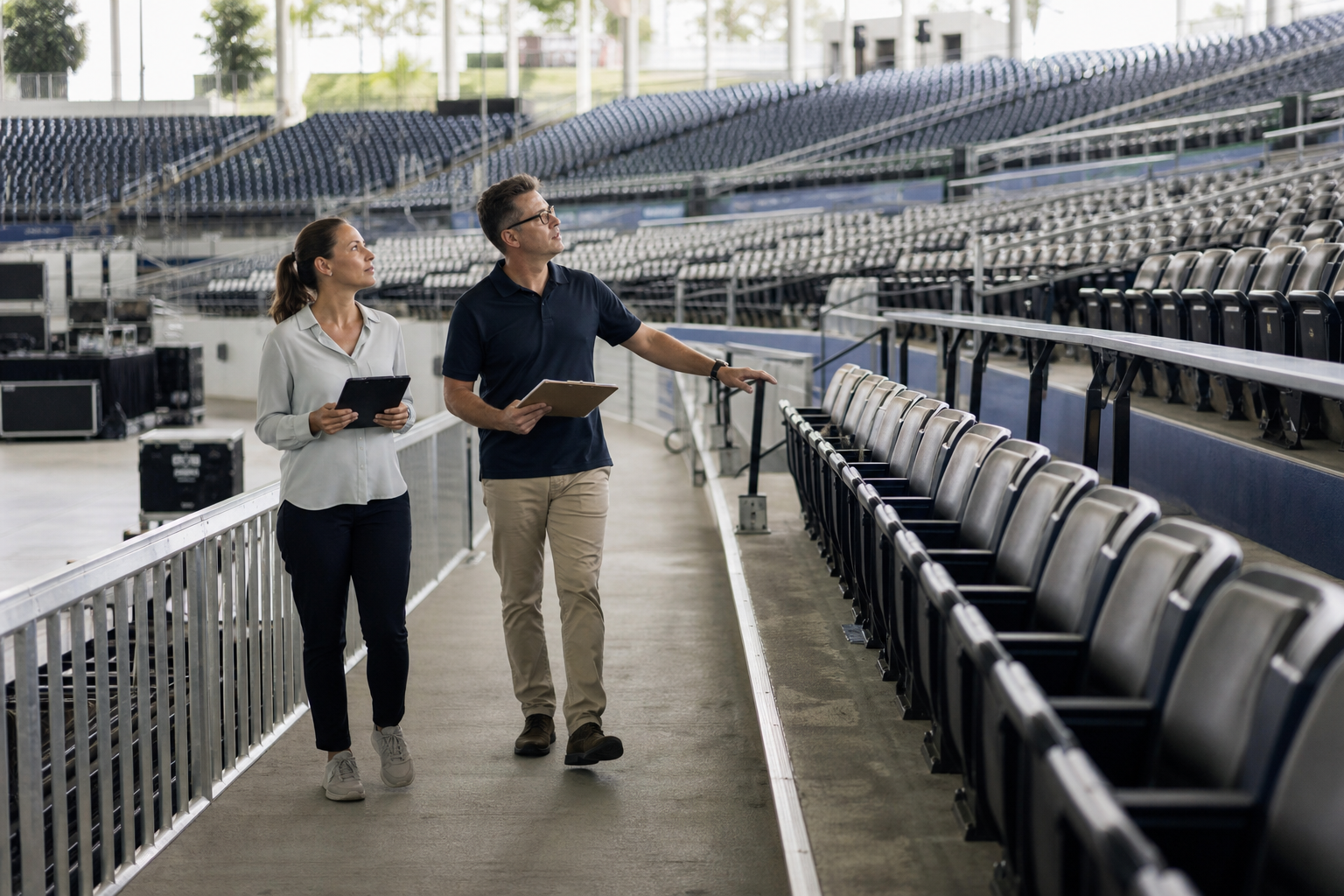
The simplest crowd-flow exercise is to walk the path as a first-time visitor. What do you see first? Where do you hesitate? Which sign answers a question too late? Which staff member receives the same question repeatedly?
Live events force this discipline because the crowd will test the system in real time. Other businesses can borrow the method before the rush arrives.