 Concerts, festivals, film, and the culture around them.
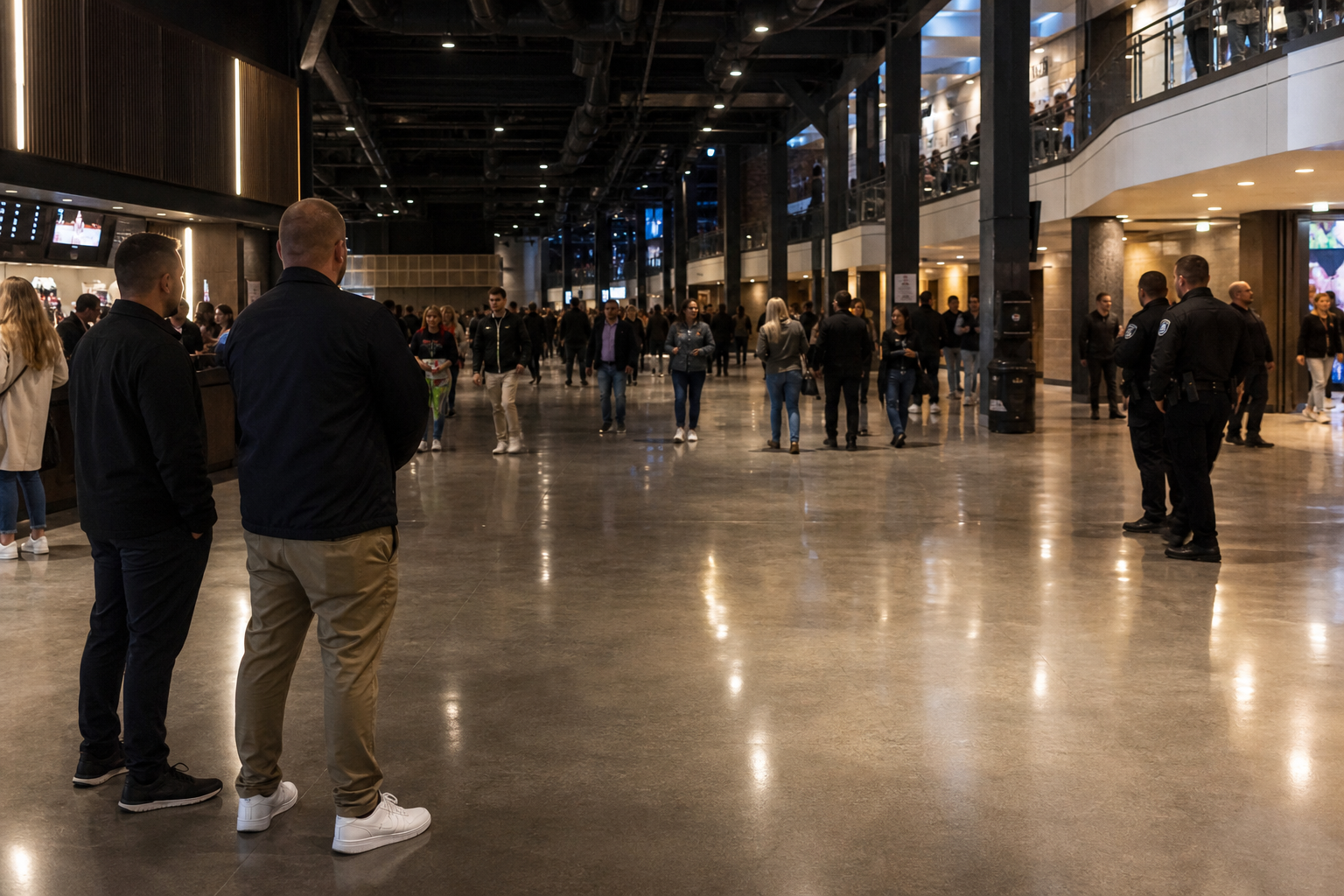
Visible security is easy to count. Effective security is harder to see. A venue can add uniforms, posts, cameras, barriers, and screening tables without improving the parts of the operation that actually determine outcomes.
That does not mean visibility is unimportant. Fans need to know where to find help. Staff need backup. Bad actors should understand that the environment is managed. The problem begins when visibility is treated as the plan instead of one expression of the plan.
Visibility can reassure or provoke
A calm security presence can make a venue feel cared for. An aggressive or poorly placed presence can make the same venue feel tense. The difference is posture, communication, and fit.
Teams should ask what a security position is meant to accomplish. Is it wayfinding, deterrence, response speed, boundary control, asset protection, artist movement, or guest reassurance? A post without a purpose becomes scenery.
Visibility is a tool. Effectiveness is the system behind the tool.
Effectiveness depends on information flow
An effective security team sees and hears across the venue. That requires radio discipline, clear command roles, trained non-security staff, and a habit of sharing useful observations early.
If a concern has to become obvious before it reaches decision makers, the system is late. Effective operations create many low-friction ways for small signals to reach the right person.
Response quality is part of prevention
Fans judge security not only by what happens before trouble, but by how staff respond to ordinary problems: a seating dispute, a medical concern, a lost guest, a spilled drink, a harassment report, or a blocked aisle.
When response is fair, fast, and proportionate, the venue builds trust. When response is inconsistent, the public message becomes unpredictable, even if the staffing numbers look strong.
Ask better audit questions
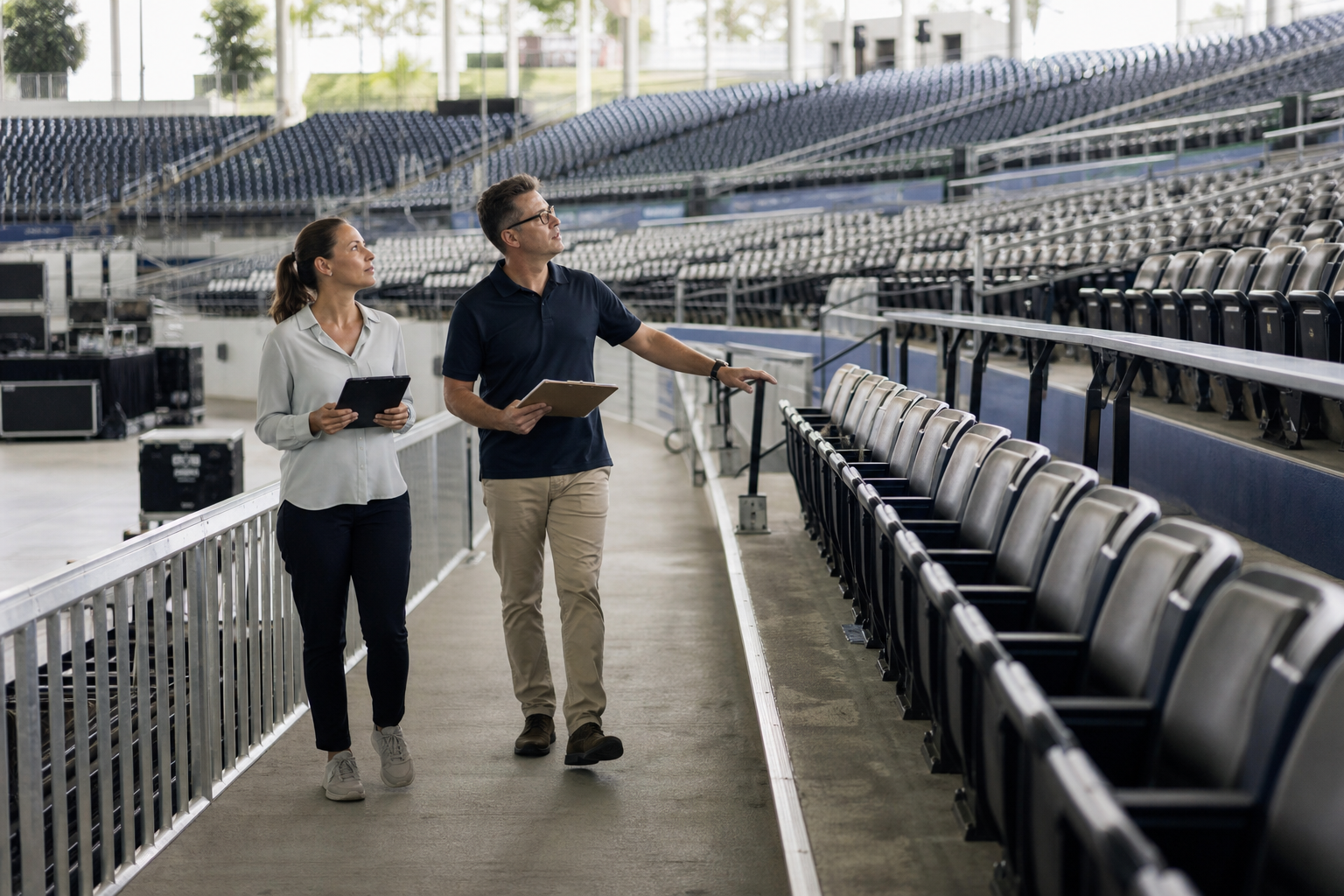
Instead of asking only how many officers or guards are visible, ask whether the venue can explain why each visible layer exists. Ask what happens when the layer fails. Ask who notices the failure. Ask how quickly the operation can adapt.
Those questions move the conversation from optics to capability. In live entertainment, that shift is overdue.